Part 1: FAIR Principles and Open Science in Earth Observation Context
What is FAIR?
FAIR principles ensure that Earth Observation data and research outputs are:
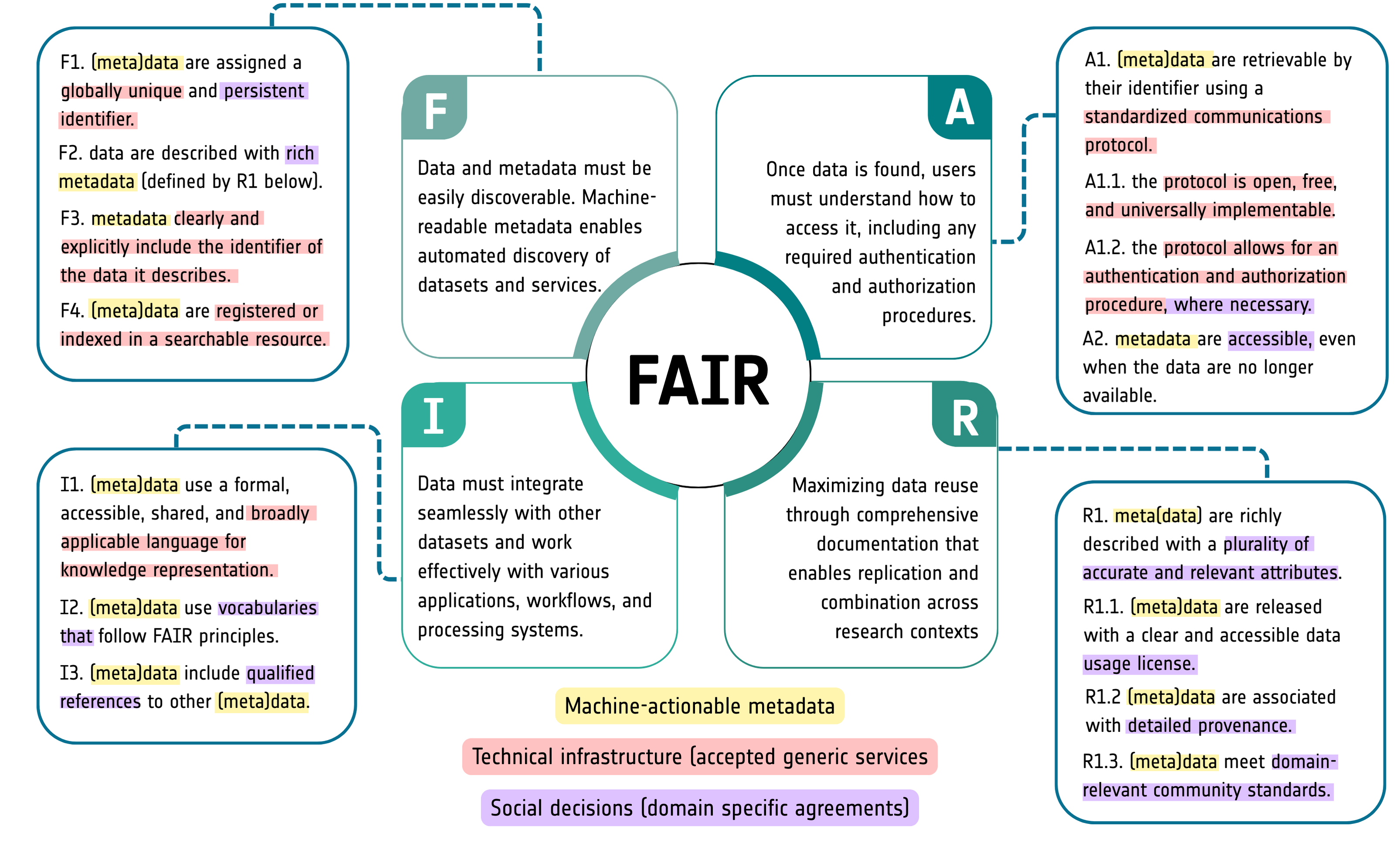
Figure 1:Findable, Accessible, Interoperable and Reusable (FAIR)
Why FAIR Matters for Earth Observation
Machine-Actionability: Satellites, processing systems, and analysis tools can automatically discover, access, and use data without human intervention.
Global Participation: EO is inherently global - Earth system science requires data from multiple countries and institutions. FAIR principles enable worldwide collaboration.
Interoperability: EO data comes from diverse sensors and processing systems. FAIR principles ensure these different data sources work together effectively.
Long-term Stewardship: Many EO datasets represent decades of observations. FAIR principles ensure these valuable time series remain accessible and usable for future research.
Important Distinction: FAIR ≠ Open
Data can be FAIR without being fully open. The key is that access conditions are clear and standardized.
Examples in EO:
- Open: Landsat and Sentinel data freely available to all users
- FAIR but Restricted: Commercial satellite data with clear licensing and access procedures
- FAIR but Embargoed: Research datasets with time-limited access restrictions
What is Open Science?
Open Science is a cultural shift in how we create, share, and use scientific knowledge - with an emphasis on transparency, openness, and enabling public access and reuse of research. It benefits not only science, but also society and the economy, by fostering collaboration, credibility, and innovation.
It is implemented through practices like Open Access to publications, Open Source software, Open Data, and Open Educational Resources and — and built on four pillars, 4 Rs — Reliable, Reproducible, Reusable, and Relevant
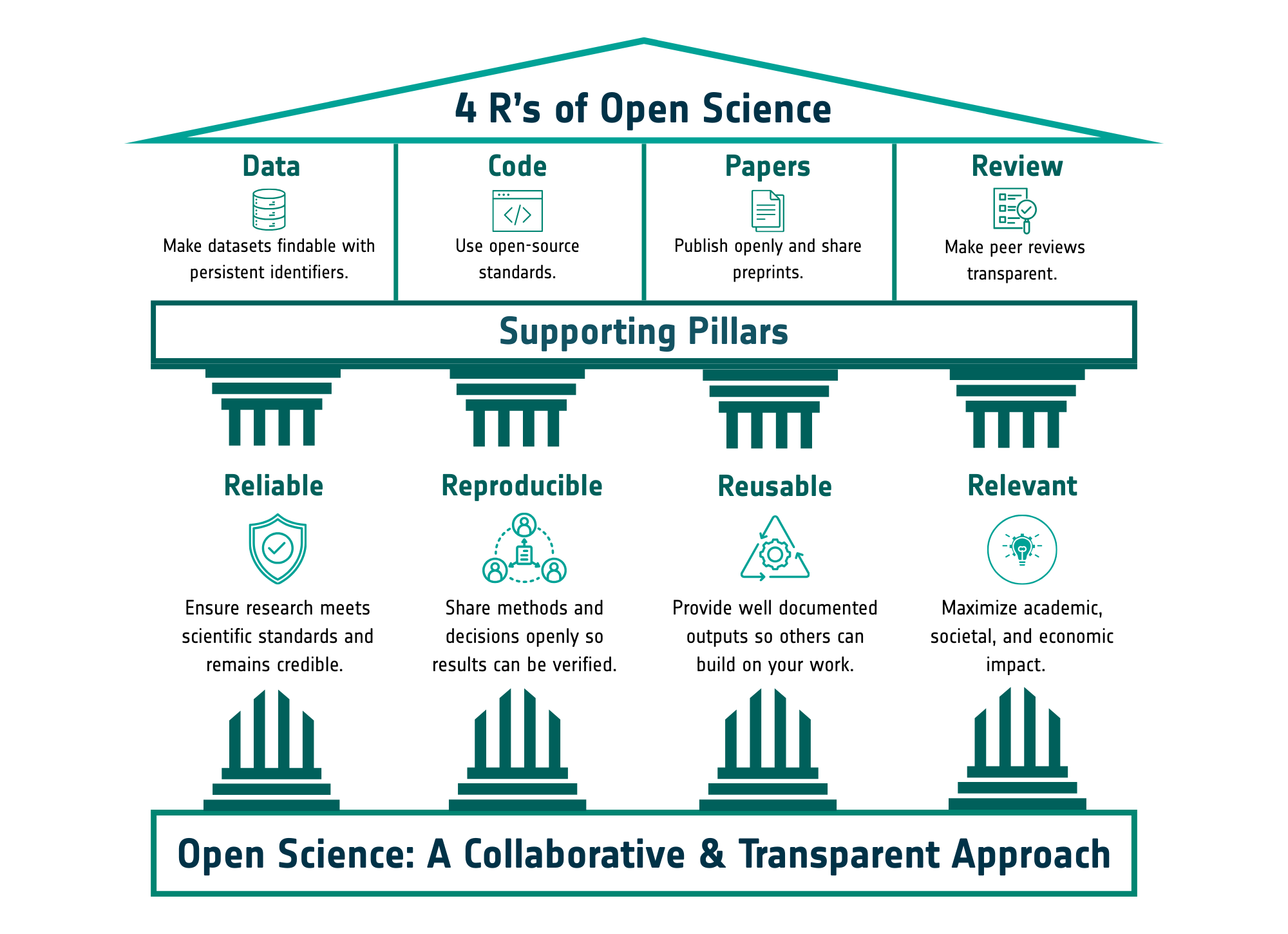
Figure 2:4 Rs — Reliable, Reproducible, Reusable, and Relevant — of Open Science